
Subscribe
Subscribe
- Motoring
- Style
- Home & Design
- Travel
- Food & Drink
- Specials
- News & Tech
- Videos
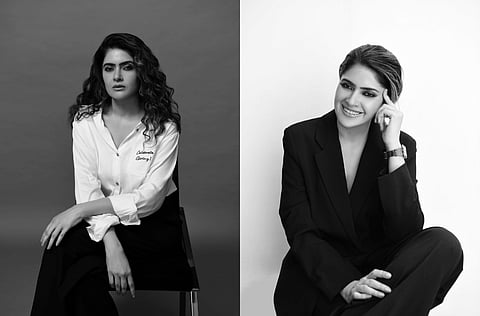
Indian philanthropist and Ara Lumiere founder Kulsum Shadab Wahab has been named the first Indian Women Empowerment Ambassador by the Italian Fashion Council (CNMI), coinciding with the International Day for the Elimination of Violence against Women. She has long worked with survivors of gender-based violence through the Hothur Foundation, championing their freedom, dignity, and rights, especially for women affected by acid attacks.
We caught up with Kulsum for an exclusive conversation, where she reflects on her philosophy on empowerment, her relentless commitment to social change, and what this recognition truly means to her.

Kulsum Shadab Wahab: Becoming the Ambassador for Women's Empowerment is both an honour and a responsibility. For me, it represents a global platform to amplify the courage of women whose stories are often unheard. This role is not just a title; it is a continuation of the work that has shaped my life for years. It means standing for dignity, equity, and the belief that every woman deserves the freedom to live without fear.
To be entrusted with this by Camera Nazionale della Moda Italiana is deeply meaningful because it unites fashion, purpose, and advocacy in a way that can truly shift narratives.
Kulsum: My appointment creates a bridge between fashion and social impact, between visibility and real change. Fashion has an extraordinary ability to influence culture, and culture shapes mindsets. By bringing the voices of women into these global spaces, we expand their reach and their power.
I hope that this role brings focus to the realities of violence, sparks conversations that matter, and mobilises communities to take action. From campaigns to collaborative initiatives, this ambassadorship will help push the conversation from awareness to actual transformation.
Kulsum: My journey didn’t begin with violence; it began with care. For many years, I worked closely with children with disabilities at our foundation, helping them find expression through education, therapy, and art. Women’s empowerment was already one of our core pillars, along with maternity care, education, and medical aid. I believed deeply that real charity means showing up, being present in hospitals, in homes, in moments where people feel unseen.
During one of these hospital visits, I met my first acid-attack survivor. I wasn’t there for her; I was there for a child’s surgery. But her silence, her pain, and her refusal to speak to anyone pulled me toward her. I had never seen anything like it. That one meeting changed the entire direction of my life.
What began as supporting surgeries soon grew into a mission to restore identity, dignity, and economic freedom. I realised healing is never only medical; it is emotional, social, and profoundly human. Once you look into the eyes of a woman who has survived something so brutal, you cannot unsee it. That moment became my calling, and every woman since has strengthened that purpose.