
Subscribe
Subscribe
- Motoring
- Style
- Home & Design
- Travel
- Food & Drink
- Specials
- News & Tech
- Videos
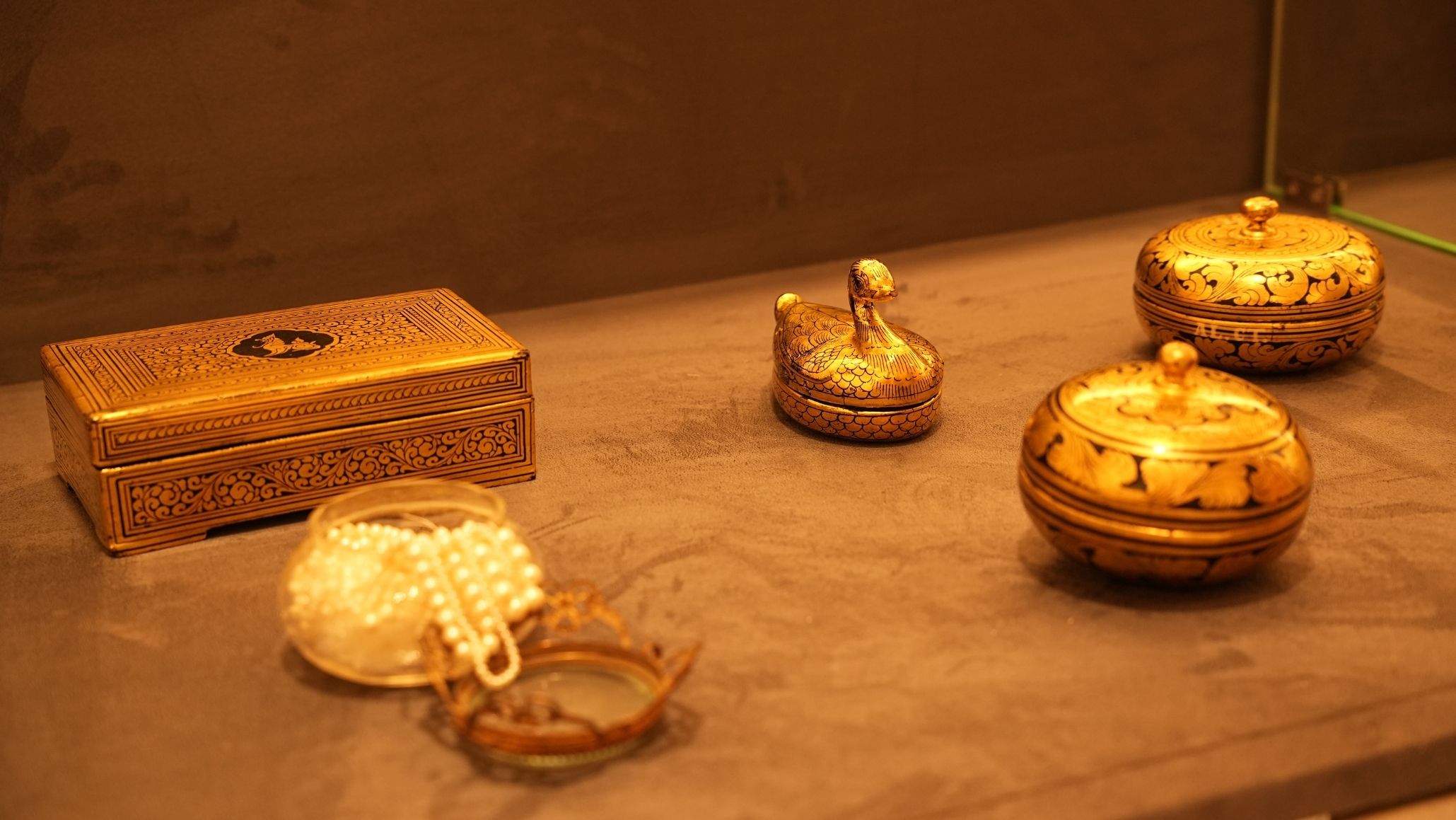
Chennai-based jewellery designer Meenu Subbiah has reinterpreted her legacy by creating Pettagam, India’s first private museum dedicated to Chettinad jewellery in Karaikudi. The permanent collection on display at the museum has pieces from her personal family collection. Going forward, however, she plans to add rotating displays of pieces from other families for limited periods.
The museum takes its name from the traditional “pettagam” (literally, a strongbox used to safeguard family treasures), an apt reference for a space that offers a fresh lens on a region long celebrated for its architecture. Robb Report spoke to Subbiah about her passion project and how with the museum, she envisions to reframe the perceptions of Indian jewellery on a global stage.
Meenu Subbiah (MS): When we were growing up, these pieces were always part of our lives and rituals, but appreciating the history and thought behind them came with maturity. It took me years of working, researching, and speaking to family members and historians to realise how layered this tradition really is.
Chettinad jewellery still occupies a relatively small space within the larger narrative of Indian jewellery. Yet it features in museum displays across the world, including in Singapore. Pettagam aims to expand how Indian jewellery is perceived, positioning it not just as ornamentation, but as a carrier of culture, history, and heritage.

MS: Very interestingly, we have seen a growing number of people shifting towards traditional jewellery, because there is a real desire now to own a piece of history. I remember a Russian couple who visited the museum—they were not typical jewellery-wearing people at all, very much travellers. But they were so excited when they saw the pieces. They wanted to take a piece of history back with them, so they chose a 'Vilasam', and we even wrote a handwritten note to go with it. It was meant as a gift for their daughter. That was quite a one-of-a-kind experience for us, because while many people come, experience, and appreciate, this went beyond that—they wanted to carry it back as part of their own story.
As much as they are surprised by the craft and architecture here, we are equally surprised by how deeply they can relate to and appreciate them. It's been a learning experience for us as well. And I think it has really helped bring South Indian jewellery into focus—not just across the country, but internationally.
MS: What surprises them the most is the precision of ancient handicraft. Over the years, even our karigars have grown accustomed to a bit of machine involvement, especially in casting. We are reviving that through closed-setting jewellery, which is almost a dying art, as most people have moved to open settings. There is also so much carving—it feels very royal. Even in a single small earring, you might have five petals, each carved differently. It really shows how artistic India is.
MS: I would probably mention the large Kazhuthuru, Chettinad community's mangalsutra. It used to weigh about a kilogram. Every single piece and shape in that mangalsutra has a symbolic significance. One of the shapes is a crab. And the crab comes there because the Nagarathars were seafarers—they followed the crab route, which was faster and safer than the tortoise route. As a result, they incorporated the crab into their mangalsutra.
MS: Jewellery was meant to be a form of financial security for women—something they could draw on to support their families in times of need. So as much wealth as possible was invested in the jewellery given to them, especially since ancestral property in those days was typically passed on to the male heir.
Interestingly, the community's prosperity can also be traced through temple deities. During prosperous times, crowns would be laden with diamonds, while in leaner periods, silver was used more. It was a very standard practice.
MS: My ultimate dream for Chettinad jewellery would be to get its due recognition in the global luxury segment for its rich craftsmanship, meaningful design, and aesthetics. Jewellery making is a very difficult art form, requiring highly specialised skills.
Today, we are running awareness programs to bring back the next generation of karigars and more women into our manufacturing ecosystem.
Polki and Kundan jewellery have been popularised by weddings and cinema. I hope Chettinad jewellery finds that same global presence one day.