
Subscribe
Subscribe
- Motoring
- Style
- Home & Design
- Travel
- Food & Drink
- Specials
- News & Tech
- Videos
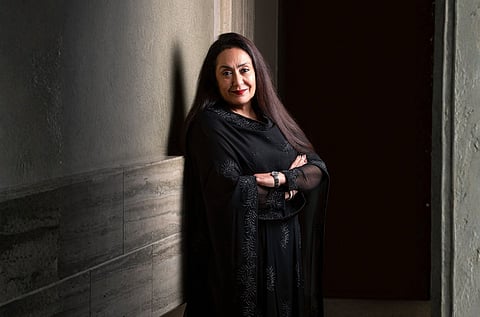
It is a wonderful era to be born in, where women across sectors are stepping forward to break barriers, challenge limits, transform industries, and build a powerful legacy. When it comes to the hospitality sector, Dr Jyotsna Suri's impact-driven decisions have earned her a coveted place among India’s top women achievers, with Fortune India recognising her as one among India’s most powerful women.
She has emerged as the architect of modern hospitality. Ever since she took the helm of The LaLiT, she been confidently embracing the legacy and zeroing in on the forward-looking possibilities. She is leading the way in making hospitality more inclusive, championing LGBTQ inclusion across The LaLiT group.
This month, as we celebrate stories of impact at Robb Report India, we speak with Dr. Jyotsna Suri to get her views on inclusivity and philanthropy.

Dr. Jyotsna Suri: Inclusion, dignity of work, and sustainability matter deeply to me. I am particularly committed to creating opportunities for those who are often left out, like women, persons with disabilities, the LGBTQIA+ community, and youth from underrepresented backgrounds. What draws me is simple: the belief that growth is meaningful only when it is shared and that privilege comes with responsibility.
JS: Giving back has made me more grounded and more patient. The real impact of giving comes with time. It is most satisfying to see people gain independence and self-belief through skills and employment. The challenge, of course ensuring impact is sustained and not episodic and to maintain scale.
JS: India has always had a strong culture of giving, but it is becoming more structured and outcome-oriented today. I would like to see philanthropy move beyond cheque-writing to deeper involvement - time, mentorship, and long-term commitment. Measuring impact matters as much as intent.
JS: In a country as diverse and unequal as ours, philanthropy helps bridge gaps that policy alone cannot. Giving becomes meaningful when it restores dignity and creates self-reliance. Each of us can give in our own way, through skills, empathy, or opportunity. Giving is not an act; it is a habit.
JS: At The LaLiT, giving is embedded in how we hire, train, source, and serve. From inclusive employment and skilling to sustainability and community engagement, our hotels are active participants in their local ecosystems. We don’t see philanthropy as separate from business - it is integral to how we define responsible luxury and long-term value.